
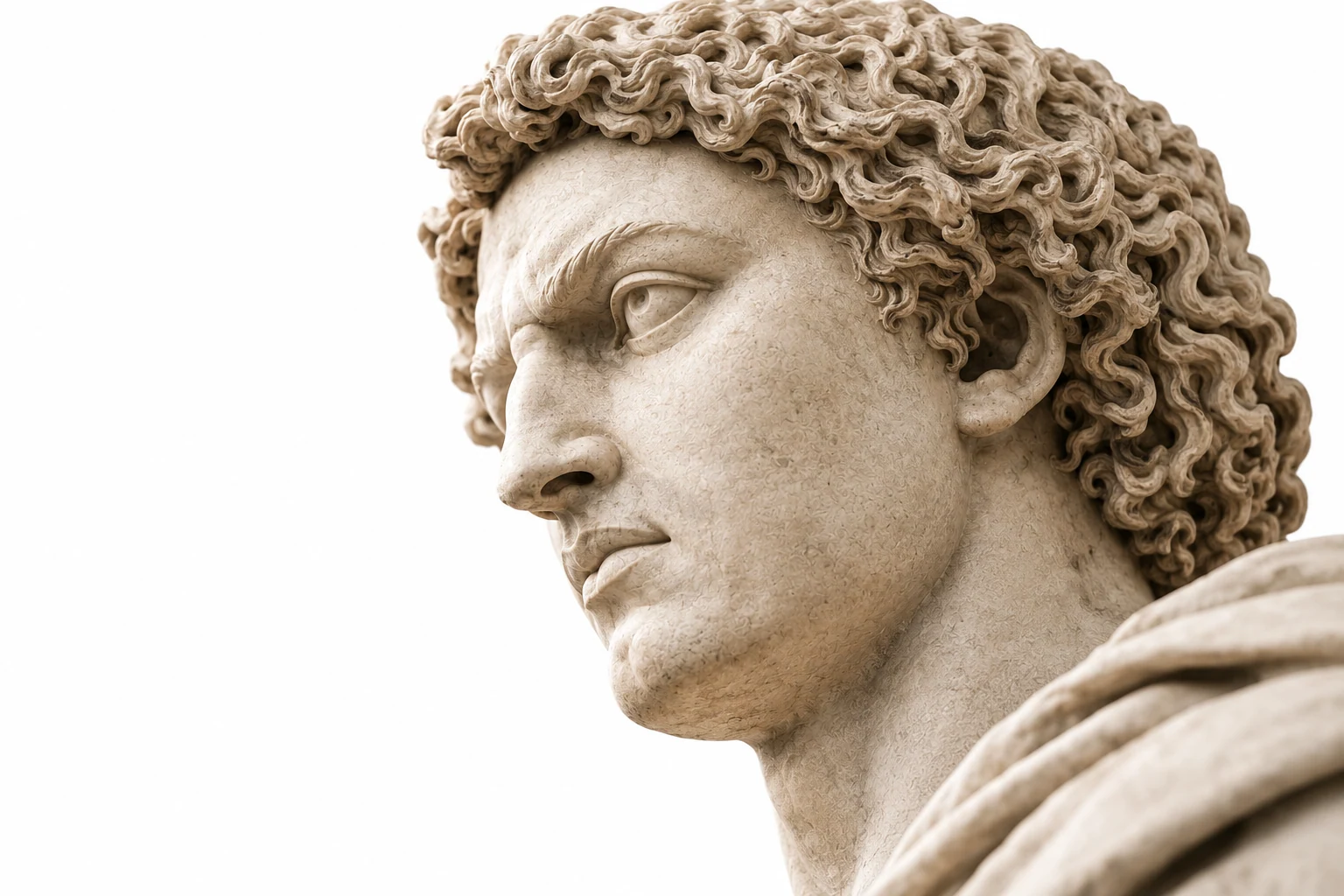
The meaning of luxury
The concept of luxury is associated not only with material wealth or expense, but much more with a way of life, a state of being. This state encompasses quality, exclusivity, comfort and excellence. Luxury products and services are of an exceptionally high standard and meet the needs of the most discerning buyers. Luxury also conveys a kind of status, generally recognised and valued in the upper levels of society.
The feeling of luxury can take many forms, whether an exclusive holiday, a luxury car or dinner at an exceptional restaurant. Yet it is not only about what one can afford; it is also about offering the best in every area of life. It is usually distinctive and rare, which adds to its value and desirability.
Today, luxury is connected not only to material possessions but also to experiences and lifestyle. It expresses a way of life and a philosophy that puts quality and comfort first while offering a distinctive style and status. Luxury resides not only in external factors, but also in the feelings and experiences associated with these products and services. They bring together the best in various areas of life and create the special feeling that we are truly exceptional.

Premium
Premium products and services may be more affordable than luxury goods, but they still offer outstanding quality and comfort. Their characteristics can include better materials, careful design and production, and excellent customer service and experience. Part of the value of an upscale or premium brand is that it meets customers’ higher expectations and earns recognition for quality and exclusivity.
The idea of premium is closely tied to quality and the upper end of a particular product or service category. Premium products and services are generally of better quality, more refined and more expensive than mediocre or average alternatives. The category includes a degree of exclusivity and style beyond the ordinary. This makes such offerings more appealing to customers willing to pay more for better quality and a distinctive experience.
As a concept, premium can be broader than luxury and more readily applied across different categories and market segments.
The difference between luxury and premium
Understanding the distinction between premium and luxury matters if we want to understand these concepts better and see how they appear in the market. Premium and luxury are often confused or treated as equivalent, but there are important differences between them.
The difference between premium and luxury therefore lies in price, quality, exclusivity and status. While the premium category offers higher quality and comfort, luxury goes further, expressing rarity, uniqueness and status as well.
Ultra luxury
The concept of “ultra luxury”, however, goes a step beyond traditional luxury. The ultra luxury category represents the pinnacle and offers a special status and experience that sit even above ordinary luxury, if such a thing can be said. These products and services are generally available only to the most committed buyers or the wealthiest groups. Ultra luxury products and services are often exclusive and unique, and usually occupy the highest price category. They are available to few people and are characterised by exceptional quality, sophistication and prestige.
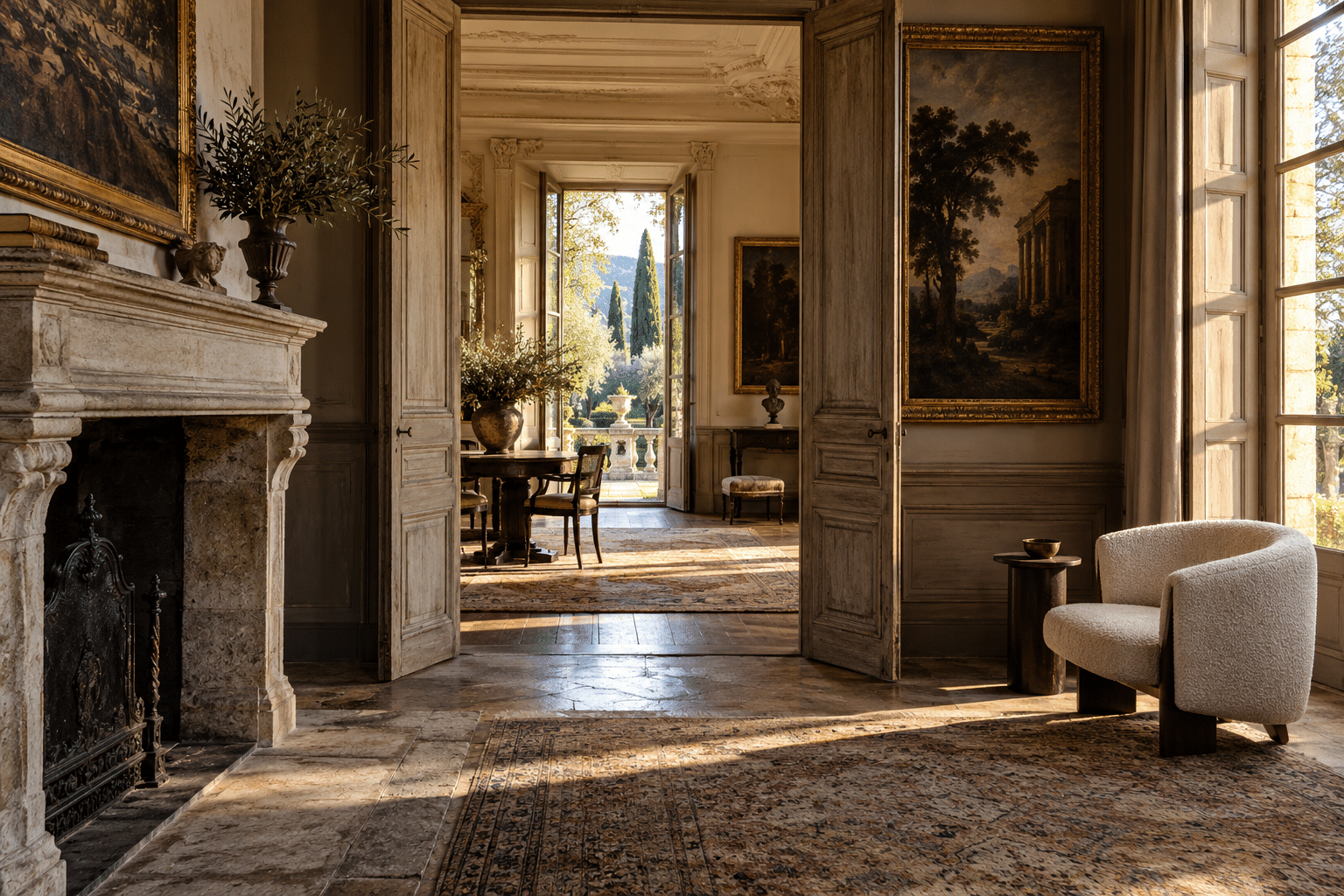
Ultra high net worth individuals
“Ultra high net worth individuals” (UHNWIs) represent the very highest level of society. These people possess substantial wealth and are willing to spend larger sums on luxury goods and services.
UHNWIs include billionaires, investors, celebrities and other privileged individuals who control significant wealth. They have a major influence on the luxury market because they are willing to spend larger amounts on the most exclusive products and services. As a result, the ultra luxury market is often tailored to their needs and occupies a higher price category than traditional luxury.
Luxury trends, brands and experiences
Current trends in the luxury market are constantly changing. Digital presence and online shopping are receiving ever greater emphasis. Sustainability and ethical sourcing are also becoming increasingly important considerations. The best known luxury brands, such as Louis Vuitton, Chanel and Rolls-Royce, are examples of long term success and exclusive brand building. These brands became famous not only because of their excellent products, but also because of the stories and traditions behind them. Exclusive travel, events and services, such as renting a private island or dining in a Michelin starred restaurant, represent the heights of the luxury experience. Such experiences are special and unforgettable, available to those who seek luxury.
Frequently asked questions
What does luxury mean?
Answer: Luxury means quality, exclusivity, comfort and excellence. It expresses not only material wealth, but also a lifestyle and a status.
Which trends and brands dominate the luxury market?
Answer: Digital presence, sustainability and ethical sourcing are becoming increasingly important. Well known brands include Louis Vuitton, Chanel and Rolls-Royce.
How can luxury properties be sold?
Answer: Selling luxury properties requires specialised expertise and market knowledge. Appropriate market positioning and a precise understanding of buyers’ needs are important.
What is the difference between luxury and premium products?
Answer: Premium products offer outstanding quality and comfort at a more affordable price, while luxury products represent exclusivity, rarity and a symbol of status, often at a higher price point.
How does luxury relate to lifestyle and experiences?
Answer: Luxury is not only about material goods. It is a lifestyle and a state of being that includes quality, comfort and excellence, as well as unique and rare experiences.
What defines the “ultra luxury” category?
Answer: “Ultra luxury” is a category of products and services representing an even higher level of rarity, uniqueness and prestige than traditional luxury. It is often accessible only to the wealthiest groups.
Who are ultra high net worth individuals, and how do they affect the luxury market?
Answer: Ultra high net worth individuals, such as billionaires and investors, have considerable influence on the luxury market. Their willingness to spend large sums on exclusive products and services helps shape the market’s direction and demand.
Glossary
Lifestyle: The way an individual or group lives, including patterns of behaviour, consumption and leisure.
Experience: An event or activity that is memorable and has a significant effect on a person’s life, often associated with luxury and premium services.
Exclusivity: A state of rarity and distinctiveness that makes a product or service available only to a limited extent, or especially desirable.
Gastronomy: The art and science of eating, with particular attention to fine food and drink.
High tech homes: Homes equipped with modern technologies that provide comfort and a sophisticated way of life.
Luxury: A state or category of products encompassing quality, exclusivity, comfort and excellence, often signifying status and rarity recognised and valued in the upper levels of society.
Premium: Products and services that may be more affordable than luxury goods but still offer outstanding quality and comfort. Their characteristics include better materials, careful design and production, and excellent customer service.
Status symbol: A product or service that signals social recognition and rank, often used to express material prosperity or social position.
Style and design: The combination of aesthetics and functionality in designing products, clothing and surroundings, particularly in luxury and premium categories.
Ultra luxury: The highest level of the luxury category, representing even greater rarity, uniqueness and prestige than traditional luxury and often available only to the wealthiest groups.
Ultra high net worth individuals (UHNWI): People with substantial wealth who are willing to spend large amounts on luxury goods and services. They include billionaires, investors, celebrities and other privileged individuals.
Green lifestyle: An effort to minimise one’s environmental footprint through everyday life, in keeping with principles of environmental protection.